part of Citizen Science
Citizen science and adjacent participatory methods are increasingly encouraged by funders and important for producing meaningful and trusted knowledge. These approaches help ensure that research reflects the needs and experiences of communities. They are central to SEI’s work on environmental and social sustainability and used widely in research across the University of York.
Although interest in these methods is growing, researchers can find them difficult to use in practice. It can be challenging to design a project that is both inclusive and scientifically rigorous, and work with participants ethically and with sensitivity, especially within the constraints of research funding.
CS Co-labs has been set up to respond to this challenge by creating a shared space for those using, or interested in using, citizen science methods to access support, learn from experience and explore new approaches. It is run by Inclusive Citizen Science, the citizen science research group at our York centre, which has been using, evaluating and developing citizen science methodologies since 2008.
We aim to strengthen capacity, particularly across SEI and the University of York, to deliver high quality, inclusive, and robust citizen science and adjacent participatory approaches.
We will also set up an advisory board composed of citizen science participants, to oversee the project and ensure what we do is relevant and appropriate.
CS Co-labs project
Image designed and illustrated by Tamara-Jade Kaz.
CS Co-labs launched in Summer 2026 with an in-person event at the University of York and two online events. See the slides we used to introduce the project.
We are running a series of topic-based discussion sessions from September 2026 to March 2027. In each session, members of our team will give a brief presentation sharing our experiences and understanding of the topic, before inviting reflections from participants and facilitating discussion for collective learning.
Notes and slides from past sessions, are available on our CS Co-labs Discussion Series webpage.
Join the CS Co-labs mailing list to receive invitations to discussion sessions.
| Session | Date & Time | Topic |
| 1 | 9 September 2026, 1-2 pm BST (UTC+01:00) | Introduction to Citizen Science |
| 2 | 8 October 2026, 12-1 pm BST (UTC+01:00) | Inclusion in Citizen Science |
| 3 | 10 November 2026, 1-2 pm GMT (UTC) | Equitable collaboration in Citizen Science |
| 4 | 8 December 2026, 3:30-4:30 pm GMT (UTC) | Digital Tools in Citizen Science |
| 5 | 26 January 2027, 3:30-4:30 pm GMT (UTC) | Data in Citizen Science |
| 6 | TBD | Citizen Science & Policy |
Event on 10 November / In this third CS Co-labs discussion session we will explore what equitable collaboration looks like in Citizen Science projects.
Past event / In this first CS Co-labs discussion session we provided a general introduction to citizen science, as we understand it, and facilitated a group discussion.
Past event / In this second CS Co-labs discussion session we will explore broadening participation in Citizen Science projects and facilitate a group discussion.
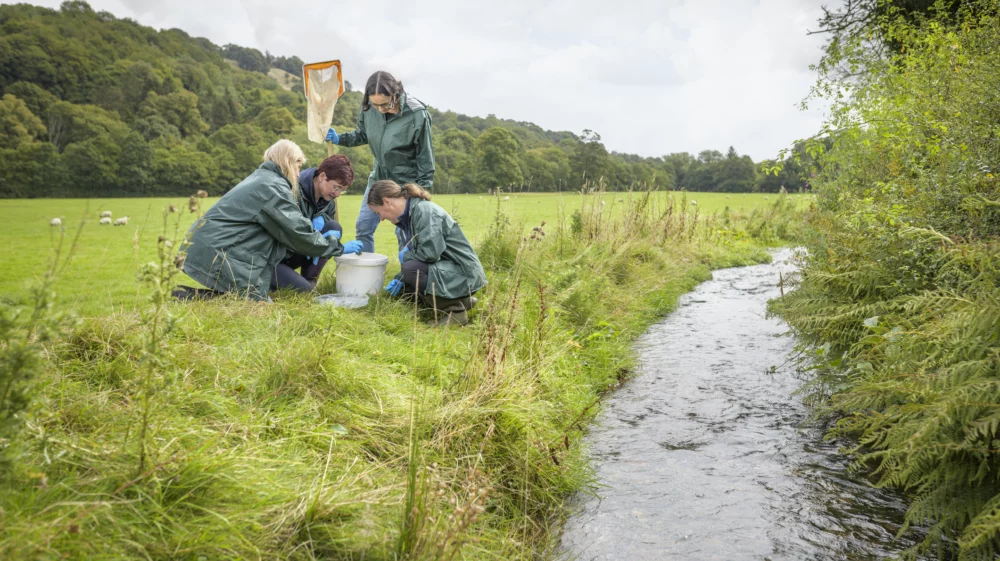
Photo: SEI York
If you are using citizen science methods for a research project, or thinking about the possibility, you can book an advice session with us to discuss any questions you have. We can offer support on a range of aspects, including but not limited to:
These sessions are available to any researcher or practitioner, irrespective of your location, institution (or none) or knowledge level.
Sessions are free to advisees, being funded by SEI York and driven by our goal to create a shared space where colleagues can access tailored support, learn from others’ experiences, and explore new approaches. Sessions offer advisee-centred support based on mutual respect and peer learning.
Our expertise covers both the theory of citizen science and the practice of citizen science across a range of topic areas:
| Topic | Advice relating to… |
| Inclusion | ensuring citizen science projects are inclusive for participants, considerations of diversity and accessibility |
| Project Management | planning and resourcing citizen science projects |
| Engagement | maintaining engagement of citizen science project participants during and after project lifetimes |
| Communication | communicating with potential and actual participants and communicating findings and recommendations to participants and stakeholders |
| Evaluation | evaluating citizen science projects to understand impacts and effects |
| Digital Citizen Science | online citizen science project opportunities, barriers and engagement |
| Software | using technology to widen and deepen engagement with citizen science projects |
| Schools | engaging with schools, conducting citizen science research projects in schools, producing resources with schools |
| Environmental Education | using citizen science for education, particularly environmental and experiential education |
| Creative Methods | using the creative arts, especially theatre, for engaging in participatory environmental education research |
| Environmental Monitoring | using citizen science approaches for environmental monitoring, including air quality, water and biodiversity |
| Energy Systems | applying citizen science methods to projects exploring alternative energy sources and systems, including community energy, and related considerations including retrofitting |
| Just Transitions | engaging communities and grassroots organisations on initiatives transitioning towards a just society |
Please note that our definition of ‘science’ includes anything with a research question, so we welcome bookings from those outside of traditional ‘science’ fields.
Find out more about CS Co-labs clinics including how to request one, how they are set up and run, terms and conditions, boundaries and more.
Feature / Use the hub to learn more about citizen science, connect with others using and developing methods, and discover resources, training and events.
Feature / Learn how citizen science methodologies can be valuable at different stages of the research process, and the benefits (and costs) of different approaches.
Feature / Learn how our group has evolved over 18 years to focus on improving best practice in citizen science and inclusive engagement for environmental sustainability.